
16
2024
-
10
Understanding Printing Machines: Essential Insights for Fabric Printing Professionals
When it comes to the world of fabric printing, understanding the role of printing machines is crucial for professionals seeking to optimize their production processes. Printing machines are specialized equipment designed to transfer ink or dye onto various substrates, including textiles. Their significance cannot be overstated, as they are the backbone of any fabric printing operation, influencing
When it comes to the world of fabric printing, understanding the role of printing machines is crucial for professionals seeking to optimize their production processes. Printing machines are specialized equipment designed to transfer ink or dye onto various substrates, including textiles. Their significance cannot be overstated, as they are the backbone of any fabric printing operation, influencing not only the quality of the final product but also the operational efficiency.
There are several types of printing machines used in the fabric printing industry, each suitable for different applications and materials. The most common types include screen printing machines, digital printers, rotary printing machines, and dye-sublimation printers. Each of these machines operates on distinct principles and is chosen based on factors like the complexity of the design, the type of fabric, and the volume of production.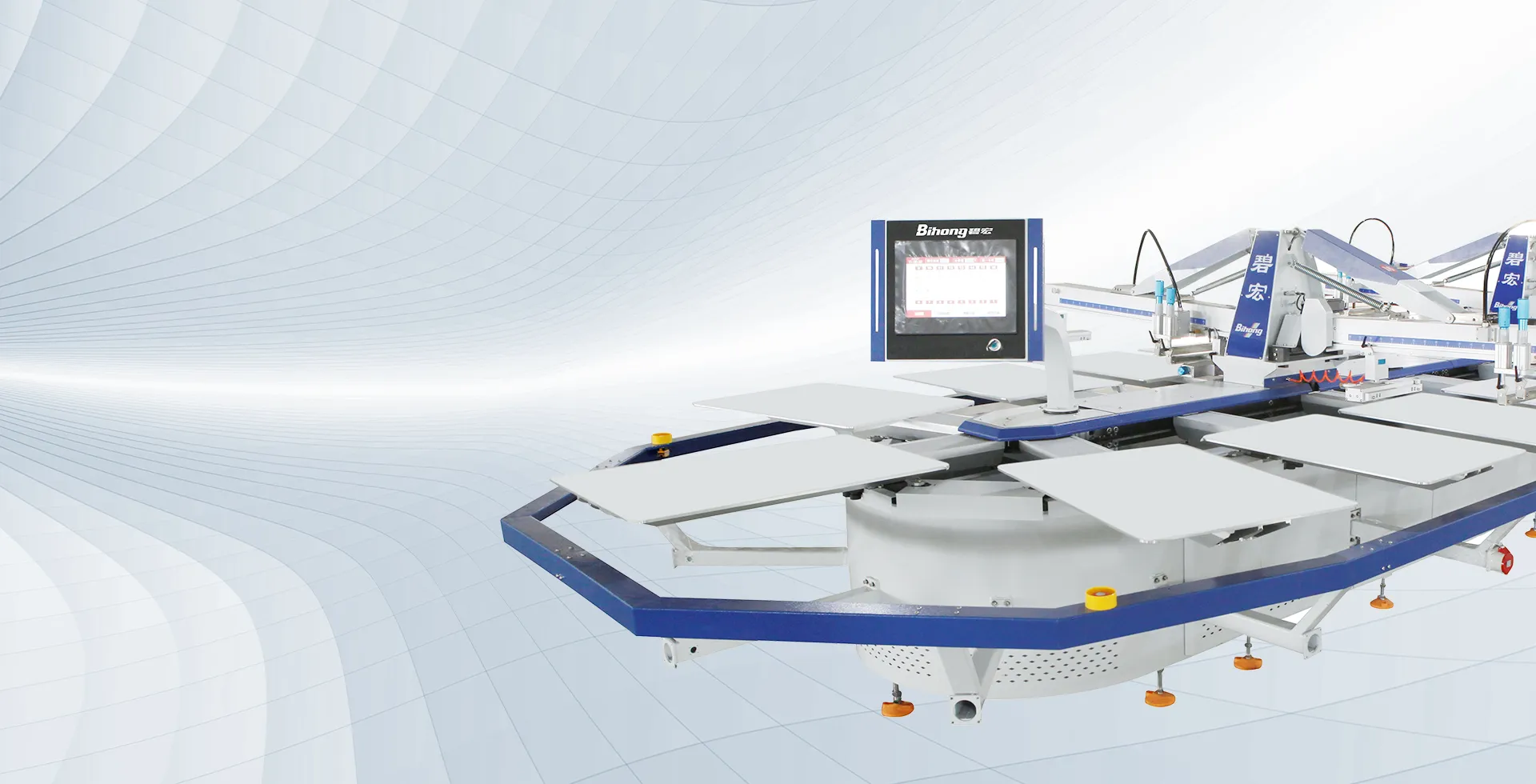
Screen printing machines, for instance, are well-known for their ability to produce vibrant colors and detailed designs. This traditional technique involves creating a stencil (or screen) for each color in the design, making it ideal for larger runs where consistency is critical. On the other hand, digital printing machines utilize inkjet technology to print designs directly onto fabric. This method offers greater flexibility and is excellent for short runs and intricate patterns, allowing for customization without significant setup time.
In recent years, advancements in printing technology have transformed the capabilities of printing machines. Innovations such as UV printing and eco-solvent inks have made it possible to achieve higher quality prints while being more environmentally friendly. Furthermore, the integration of software solutions has streamlined the design process, allowing for more complex and creative designs to be printed with precision.
When selecting a printing machine for your fabric printing needs, consider factors such as the type of fabric you will be working with, the nature of the designs, and your production capacity. Investing in the right equipment not only improves the quality of your output but can also significantly enhance your operational efficiency and reduce waste.
In conclusion, understanding the various types of printing machines and their respective advantages is essential for professionals in the fabric printing industry. By staying informed about the latest technologies and trends, you can make informed decisions that elevate your printing capabilities and ultimately lead to greater success in your business endeavors. Whether you are looking to upgrade your existing equipment or expand your production line, having a solid grasp of printing machines will serve as a valuable asset in navigating the competitive landscape of fabric printing.
printing machine

Contact Us
701, Building 5, Liandong U Valley, No. 8 Zhixin 1st Road, Dagang Town, Nansha District, Guangzhou City, Guangdong Province, China.