
24
2024
-
09
Understanding Printing Machines: Innovations in Fabric Printing
Printing machines have revolutionized the way we create and produce fabric designs, making them an essential part of the textile and packaging industries. Understanding the various types of printing machines and their functions can greatly enhance your knowledge of fabric printing and its applications. At the core of fabric printing are several types of printing machines, each designed for specifi
Printing machines have revolutionized the way we create and produce fabric designs, making them an essential part of the textile and packaging industries. Understanding the various types of printing machines and their functions can greatly enhance your knowledge of fabric printing and its applications.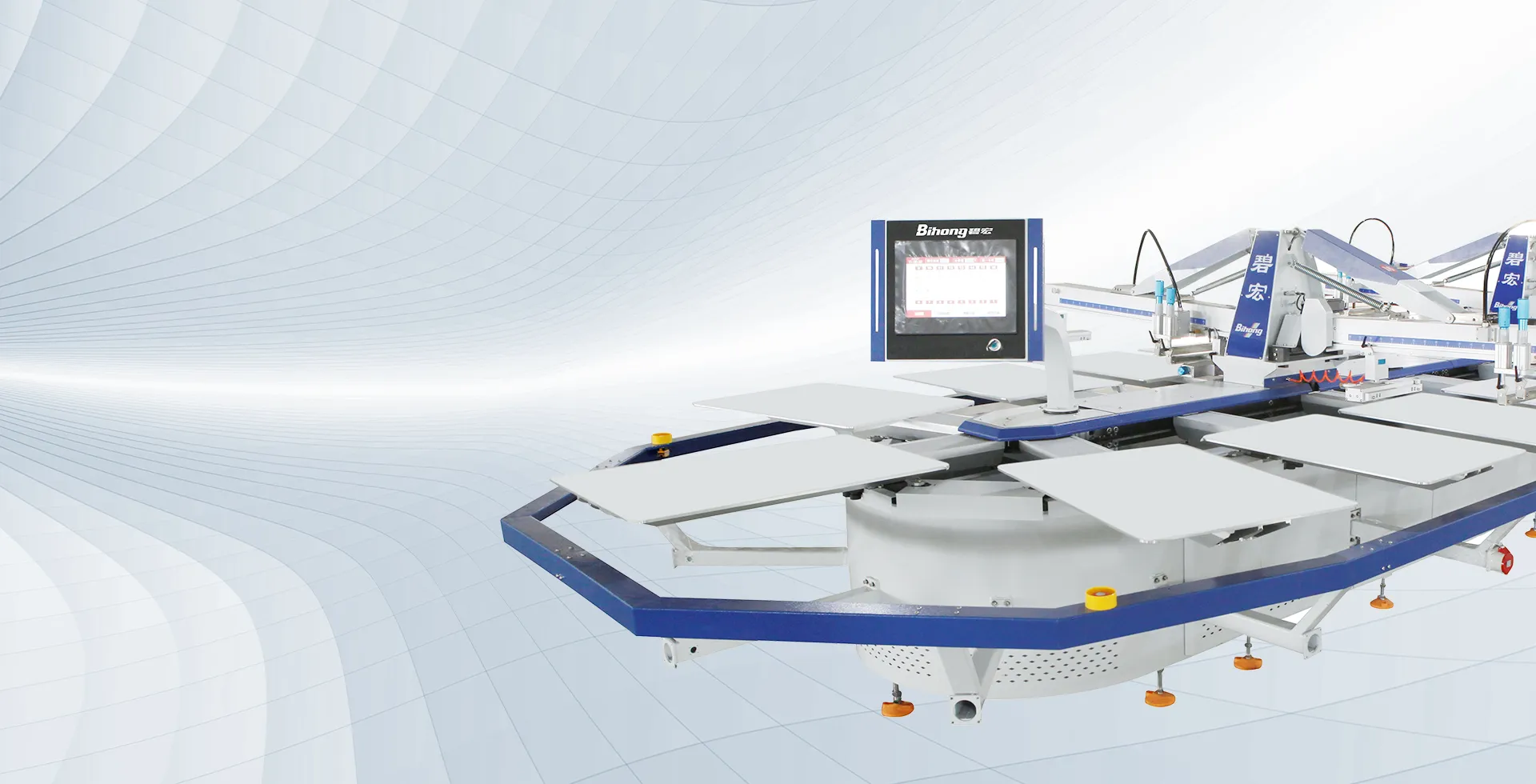
At the core of fabric printing are several types of printing machines, each designed for specific methods. The most common techniques include screen printing, digital printing, and heat transfer printing. Screen printing involves creating a stencil (or screen) and using it to apply layers of ink onto the fabric. This method is known for its vibrant colors and durability, making it a popular choice for bulk orders. Digital printing, on the other hand, uses inkjet technology to directly apply designs to the fabric. This method allows for greater flexibility and complexity in designs, making it ideal for small runs and custom patterns. Heat transfer printing involves printing a design onto a special paper and then transferring it onto fabric using heat and pressure, which is great for intricate designs and logos.
The advancements in printing machines have significantly impacted the efficiency and quality of fabric printing. For instance, modern digital printing machines can handle a wider range of materials, from cotton and polyester to blends and specialty fabrics. These machines offer quicker turnaround times, which is essential in today's fast-paced market. Moreover, the ability to print on-demand reduces waste and allows for more sustainable practices within the industry.
Furthermore, printing machines are not just limited to producing textiles. They play a vital role in packaging solutions. The same technologies used in fabric printing are applied to create custom packaging that stands out on the shelves. This crossover between fabric printing and packaging signifies the versatility of printing machines and their importance in both sectors.
In addition to the technological advancements, it’s essential to consider the environmental impact of printing machines. Many manufacturers are now focusing on eco-friendly inks and sustainable practices, allowing for greener production processes. This shift not only benefits the environment but also appeals to consumers who are increasingly looking for sustainable products.
In conclusion, understanding printing machines and their applications in fabric printing is crucial for anyone involved in the textile and packaging industries. As technology continues to evolve, the potential for innovation in fabric printing expands, opening up new opportunities for creative expression and sustainable practices. Whether you're a professional in the field or simply interested in the art of fabric design, staying informed about printing machines will enhance your appreciation for this dynamic industry.
printing machine

Contact Us
701, Building 5, Liandong U Valley, No. 8 Zhixin 1st Road, Dagang Town, Nansha District, Guangzhou City, Guangdong Province, China.